
The global apparel supply chain is undergoing a monumental shift. Bangladesh—the world’s second-largest exporter of Ready-Made Garments (RMG)—stands at the very center of this evolution.
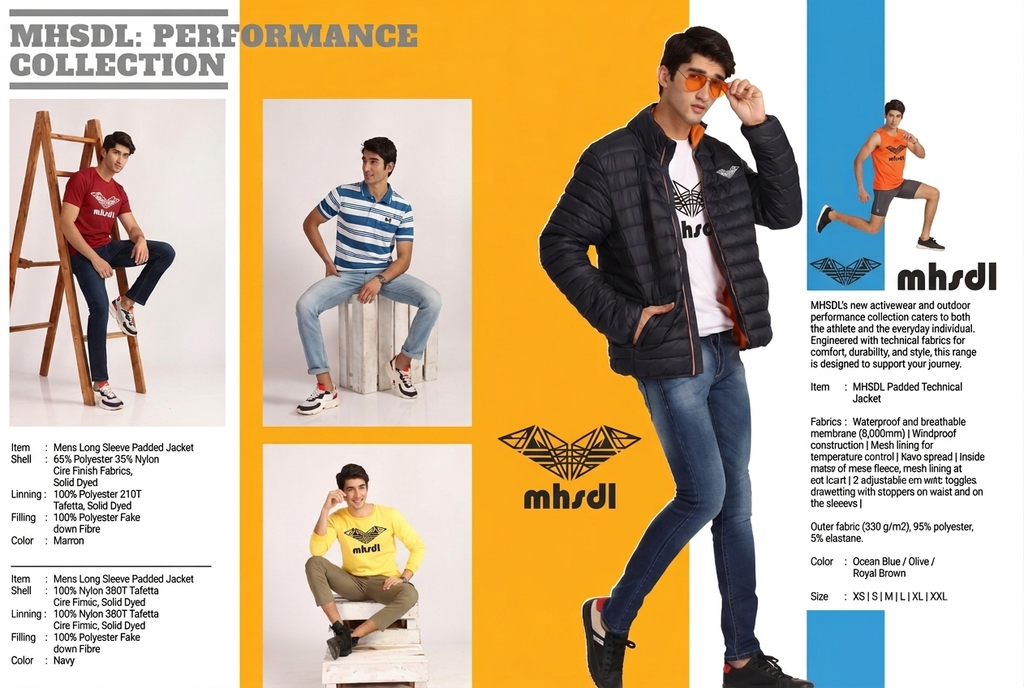
Long gone are the days when Bangladesh was viewed solely as a destination for basic, high-volume cotton garments. Today, driven by green industrialization, technological integration, and changing global compliance standards, Bangladesh’s RMG sector is pivoting toward a high-value, sustainable, and technology-driven manufacturing ecosystem.
At MHS DRESS LTD (MHSDL), we closely track these industry shifts to help our global retail partners stay ahead of market demands. Here is an in-depth analysis of the future trends shaping Bangladesh’s apparel sector and what they mean for global brands and buyers.
Key Future Trends Shaping Bangladesh’s Apparel Industry
1. Shift Toward Man-Made Fibers (MMF) & High-Value Products
While cotton traditionally dominated Bangladesh’s export basket, global demand is heavily weighted toward synthetic materials—including polyester, nylon, viscose, and activewear blends.
- The Transition: Manufacturers across Bangladesh are investing heavily in MMF yarn production, technical textiles, outerwear, and complex knitwear.
- The Impact: This shift allows global buyers to consolidate their sourcing by procuring technical outerwear, sportswear, and performance gear alongside traditional cotton lines from a single region.
2. Deep Sustainability and Circular Fashion
Sustainability has moved from a marketing buzzword to a non-negotiable operational standard. Bangladesh is already home to the world’s highest concentration of LEED-certified green garment factories, but the next frontier is circularity.
- Recycled Materials: Increased adoption of GRS-certified recycled cotton, rPET (recycled polyester), and eco-conscious fibers like Tencel.
- Water Stewardship: Widespread implementation of advanced Effluent Treatment Plants (ETP) and Zero Liquid Discharge (ZLD) systems to drastically reduce ecological footprints.
- Regulatory Alignment: Proactive readiness for European Union mandates, such as the Corporate Sustainability Due Diligence Directive (CSDDD) and new textile waste regulations.
3. Digitalization, 3D Prototyping & AI Integration
To meet tighter lead times and reduce carbon emissions associated with sample shipping, Bangladeshi manufacturers and buying houses are digitizing the entire apparel cycle.
- 3D Virtual Sampling: Brands can approve silhouettes, fits, and colorways virtually, cutting sample development time from weeks to days.
- Smart Factory Operations: AI-driven pattern-making systems optimize fabric yield—reducing waste to under 3%—while automated cutting and real-time ERP supply chain tracking enhance total output quality.
4. Navigating LDC Graduation and Trade Realities
Bangladesh’s upcoming graduation from Least Developed Country (LDC) status brings shifts in preferential market access (such as duty-free access under the EU’s EBA scheme). In response:
- The country is actively pursuing GSP+ trade agreements with Europe and diversifying exports into non-traditional markets across Asia, Australia, and South America.
Supply chain transparency and end-to-end traceability are becoming critical for brands aiming to leverage regional trade frameworks smoothly.
Business Implications for Global Brands & Retailers
| Industry Trend | Business Implication for Global Buyers | Strategic Advantage |
| Focus on MMF & Complex Apparel | Access to broader product categories beyond basic t-shirts/denim. | Higher profit margins and reduced multi-country supplier fragmentation. |
| Digital Prototyping & Smart Automation | Compressed lead times and faster time-to-market. | Lower inventory risk and quick response to fast-changing micro-trends. |
| Circular & Compliant Manufacturing | Traceable, ESG-friendly supply chains that satisfy international regulations. | Brand protection, enhanced consumer loyalty, and regulatory compliance. |
| Trade Policy Transitions | Need for agile sourcing partners with robust compliance structures. | Stable unit costs and predictable delivery schedules despite macroeconomic shifts. |
How MHS DRESS LTD Empowers Your Sourcing Strategy
Navigating these industry transformations requires more than just a factory line; it demands a forward-looking sourcing partner.
At MHS DRESS LTD (MHSDL), we bridge the gap between global retail expectations and Bangladesh’s advanced manufacturing capabilities:
- Sustainable Sourcing Mastery: We partner with certified manufacturers adhering to strict ethical labor, waste management, and environmental compliance standards.
- Diverse Product Capability: From everyday casuals and cardigans to complex sportswear and activewear across men’s, women’s, and children’s categories.
- End-to-End Supply Chain Transparency: We ensure rigorous quality control, raw material traceability, and on-time delivery at competitive price points.
Looking Ahead
The future of apparel sourcing in Bangladesh is bright, sustainable, and technologically empowered. For global fashion brands, aligning with experienced sourcing entities who understand both global compliance demands and localized operational excellence is the key to sustainable growth.
Ready to elevate your sourcing strategy with sustainable, high-quality garment manufacturing?
Contact MHS DRESS LTD today to explore our product offerings and strategic sourcing capabilities.